
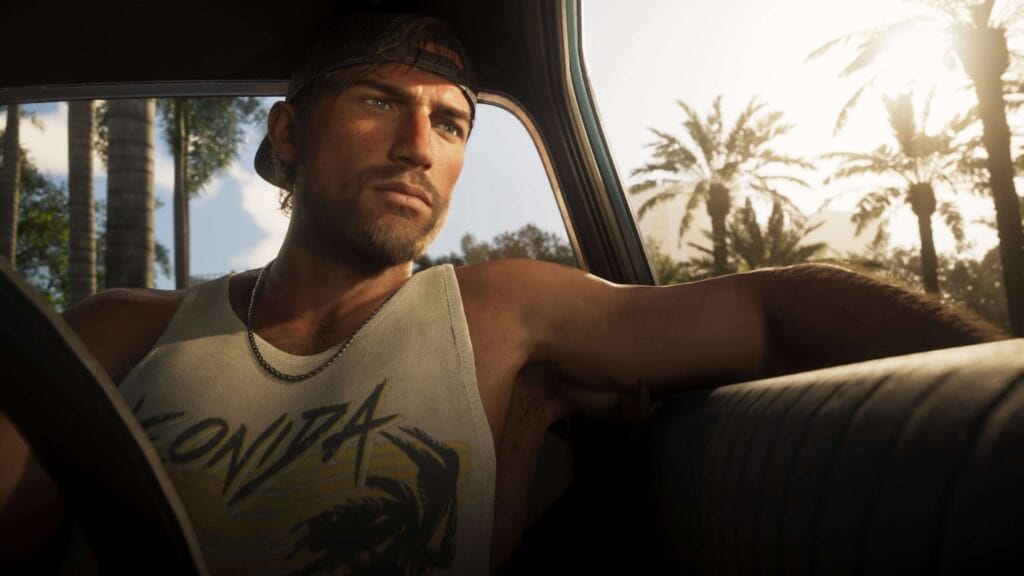
A video game can take years to build.
Thousands of developers can work on it. Writers can spend years crafting its story. Artists can create millions of individual assets. Marketing teams can carefully decide when the world gets to see the first trailer.
Then one person can upload a file.
Suddenly, years of secrecy can disappear in a matter of minutes.
That is exactly what has happened again with Grand Theft Auto VI.
In August 2026, just days before Rockstar Games' scheduled August 27 "Extended Look" at GTA VI, purported gameplay footage began circulating online. The material was associated with a group calling itself CyberLeek, and reports described multiple gameplay clips and images claiming to show the game's Leonida map. Rockstar and Take-Two have not publicly authenticated every piece of the circulating material, but copyright takedowns have been reported against some of the footage.
Rockstar's official schedule makes the timing particularly striking: the company has announced its Extended Look for August 27, while GTA VI is currently scheduled for release on November 19, 2026.
But GTA VI is not the first game to escape before its creators were ready.
In fact, some of the biggest leaks in gaming history happened decades ago.
There was the Doom 3 alpha that escaped onto the internet.
There was Half-Life 2, whose source code was stolen.
There was The Witcher 3, whose internal development documents exposed quests and story information.
There was The Last of Us Part II, where major story details spread online before release.
And then there was GTA VI itself, which suffered one of the most spectacular development-footage breaches the industry had ever seen in 2022.
The story of game leaks is therefore much bigger than GTA VI.
It is the story of how gaming changed as the internet changed.
What Actually Counts as a Video Game Leak?
Not every rumor is a leak.
A rumor might be completely fabricated. A prediction might accidentally turn out to be correct. A retailer might list a product too early. A magazine might reveal information before its embargo expires.
A leak, in the context of this article, means information or material connected to a game that becomes public before the developer or publisher intended it to.
That can include:
unfinished gameplay footage
playable development builds
source code
internal documents
concept art
character information
story details
screenshots
maps
unfinished trailers
retail copies sold before release
datamined information
And leaks don't all cause the same kind of damage.
A screenshot might reveal a character.
A story document might destroy a major plot twist.
A playable development build might reveal months of unfinished work.
Source code is another matter entirely.
That distinction is important when discussing the "biggest" leaks.
The biggest leak isn't necessarily the one with the most screenshots.
Sometimes it is the one that exposes the most sensitive part of a game's development.
The Early Age of Game Leaks
Before modern social media, game leaks still happened.
The difference was that they moved much more slowly.
There was no TikTok.
No YouTube Shorts.
No Reddit front page capable of turning a screenshot into a worldwide story within an hour.
Information moved through magazines, IRC channels, forums, file-sharing networks, fan sites and eventually peer-to-peer networks.
That slower internet created a different kind of leak culture.
A leaked playable build could become legendary because obtaining it required effort.
One of the best examples arrived in 2002.
Doom 3: The Alpha That Escaped
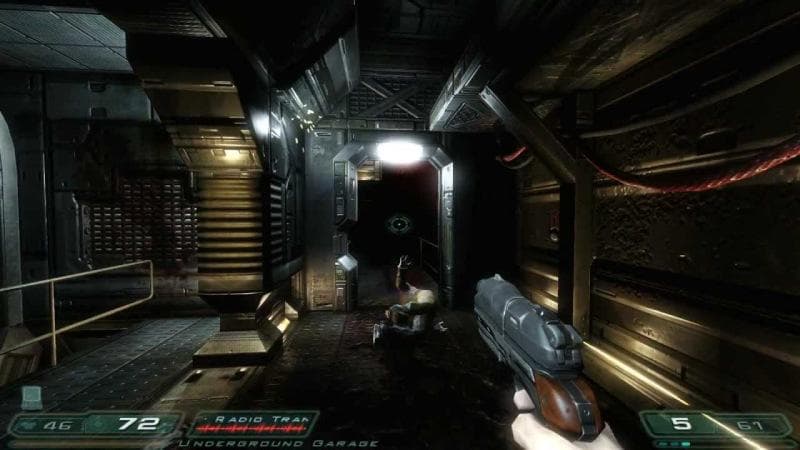
When id Software showed Doom 3 at E3 2002, the game immediately attracted enormous attention.
The visuals were extraordinary for the time, particularly the lighting and atmosphere.
But later that year, something unexpected happened.
The Doom 3 E3 Demo Alpha leaked onto the internet.
Contemporary reports from November 2002 describe the leaked alpha circulating online, while later archival records identify it as an early E3 version of the game.
This was not the finished Doom 3.It was a development version.
And that distinction matters.
Players were suddenly able to see what id Software had been building long before the final product was ready.
The leaked version naturally differed from the eventual retail game. It contained unfinished elements, technical problems and content that would change during development.
But the leak established something that would become increasingly important over the following decades:
People didn't just want to know what a game would look like. They wanted to play it before anyone else was supposed to.
That desire would become one of the defining forces behind game leaks.
Half-Life 2: When the Source Code Escaped
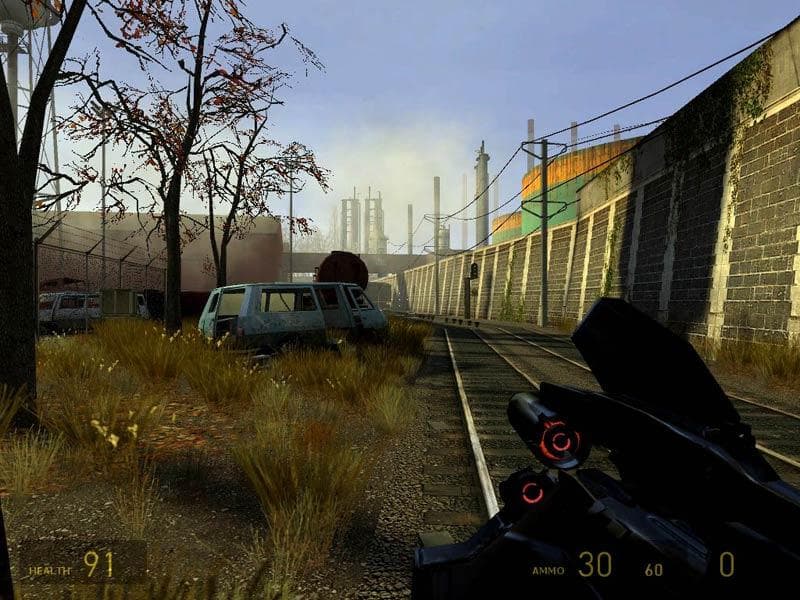
If Doom 3 showed how an unfinished game could escape, Half-Life 2 demonstrated something far more serious.
In October 2003, Valve confirmed that the Half-Life 2 source code had been stolen and released online. Gabe Newell acknowledged the theft, while contemporary reporting described it as one of the highest-profile cybercrimes to hit the gaming industry at the time.
Source code is fundamentally different from a gameplay screenshot.
It represents the underlying instructions that make software work.
For a game developer, losing source code means exposing an enormous amount of information about how the game and its technology are constructed.
The incident reportedly began with unauthorized access to email and compromised systems inside Valve.
The consequences were severe enough that Half-Life 2's development and release schedule were affected.
The incident also forced the wider industry to take game-development security more seriously.
At the time, developers were increasingly connecting their internal systems to the internet.
The Half-Life 2 breach demonstrated the downside of that connectivity.
The internet could help developers collaborate.
It could also help attackers get inside the building without ever physically entering it.
The Internet Turns Game Leaks Into a Community
During the 2000s and early 2010s, gaming forums became central to leak culture.
A person might find an image, development build, magazine scan or internal document and upload it to a forum.
Other users would investigate it.
Someone would enhance the image.
Someone else would translate it.
Another person would compare it with previous rumors.
That culture eventually evolved into the enormous online gaming communities that surround today's most popular games. Explore some of the most popular online games in India
Within hours, a community could turn a single leaked image into an entire theory.
The leak itself became an event.
And nowhere was that phenomenon more visible than in the Pokémon community.
Pokémon: When Discovering the Game Became Part of the Leak

The Pokémon series has always had a particularly passionate pre-release community.
New Pokémon, evolutions, characters and mechanics can generate enormous excitement.
That makes pre-release information especially valuable.
During the build-up to Pokémon X and Y in 2013, fan communities tracked an enormous amount of pre-release information, including screenshots, magazine material, rumors and alleged leaks.
The situation became difficult enough that major Pokémon fan sites discussed the problem of leaks and fake information openly. Serebii, for example, maintained extensive pre-release material while warning about legal restrictions surrounding some leaked information.
The problem was amplified by something Nintendo and The Pokémon Company had intentionally designed to create excitement:
a worldwide release.
Pokémon X and Y were released globally on October 12, 2013.
That meant fans around the world were supposed to discover the new generation together.
But early copies, leaked magazine information and pre-release material could destroy that shared discovery experience.
The Pokémon example showed that a leak didn't need to expose a billion-dollar development system to cause damage.
Sometimes the damage was much simpler:
It told players the surprise before they had a chance to discover it themselves.
The Witcher 3: When Development Documents Became the Leak
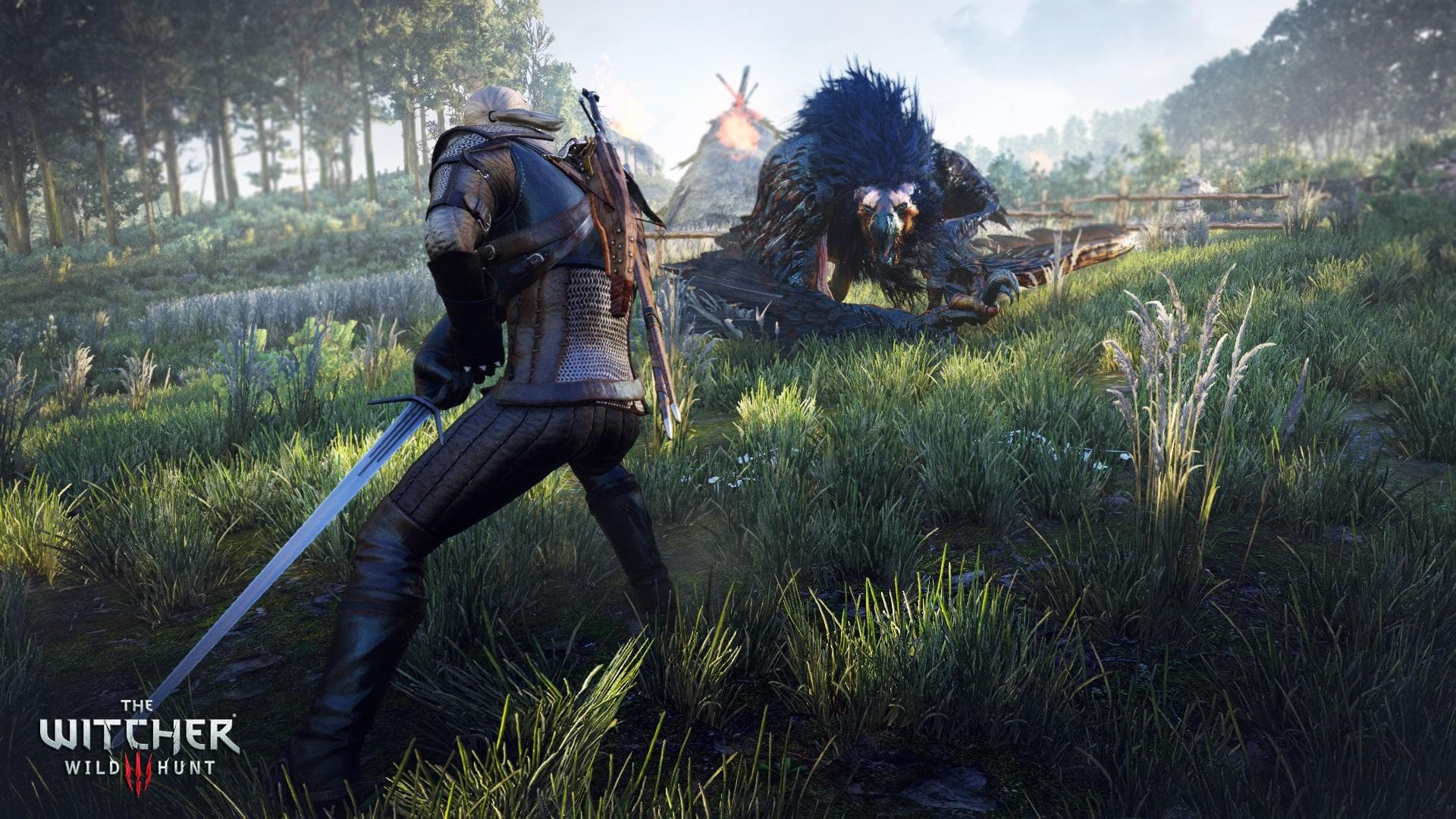
In June 2014, The Witcher 3: Wild Hunt suffered another unusual type of leak.
Instead of a single gameplay video, production documents appeared online.CD Projekt Red confirmed that production files had emerged on the internet and warned that some contained story information capable of spoiling the player's experience.
The leaked material reportedly included information about:
quests
monsters
characters
development progress
design decisions
story outcomes
internal production processes
PC Gamer's reporting at the time described documents covering everything from quest design and monster creation to development status and other production details.
This kind of leak is fascinating because it reveals something players rarely see:
the game before it becomes a game.
A finished game looks polished.
Development documents look messy.
They contain spreadsheets, unfinished ideas, technical notes, placeholders and design decisions.
In some ways, those documents can be more revealing than a trailer because they show how developers actually think about building a game.
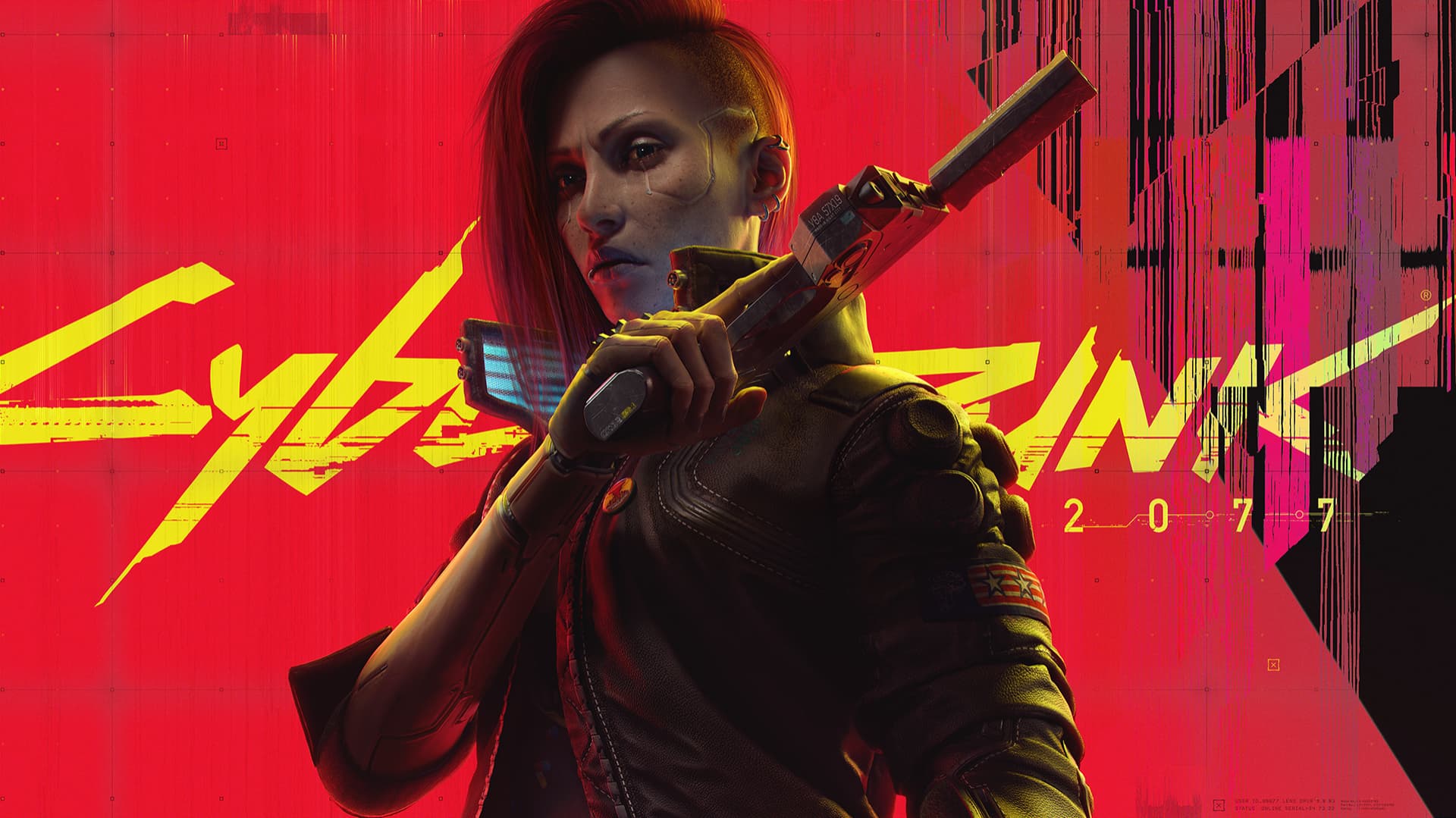
Cyberpunk 2077: When Physical Copies Became a Weak Point
By 2020, the gaming industry had changed again.
Games were increasingly distributed digitally, but enormous AAA releases were still being manufactured on physical discs.
That created another potential weakness:
retail distribution.
Before Cyberpunk 2077 officially launched, physical copies reached retailers.
In November 2020, reports emerged of leaked gameplay footage from a PS4 copy appearing online ahead of the official release. One report described roughly 20 minutes of gameplay circulating before launch.
This demonstrated another reality of modern game development.
A developer might protect its internal servers.
It might encrypt its files.
It might restrict access to development builds.
But once physical copies begin moving through the global supply chain, control becomes much harder.
The game is no longer only inside the developer's network.
It is now inside warehouses, shipping systems, stores and eventually people's homes.
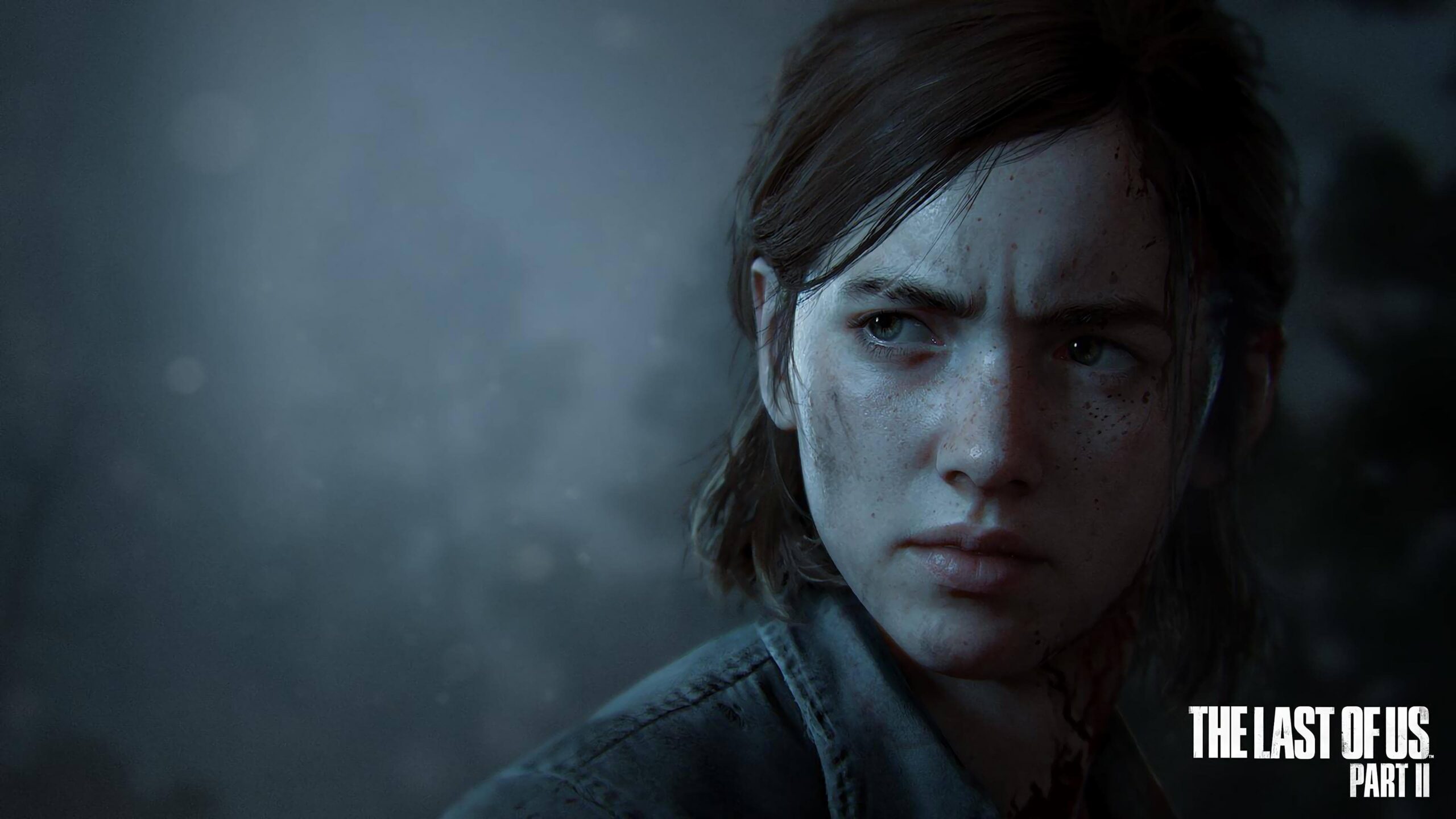
The Last of Us Part II: When a Leak Spoiled the Story
Some leaks don't primarily hurt a game's marketing campaign.
They hurt the player's experience.
That was the problem facing The Last of Us Part II in 2020.Major story information and character details spread online before release.
Sony later said it had identified the primary people responsible for the unauthorized release of the game's assets and stated that they were not affiliated with Naughty Dog or Sony Interactive Entertainment.
The consequences were unusually intense because The Last of Us Part II was a heavily narrative-driven game.
A leaked graphics setting is one thing.
A leaked character fate is another.
Once a major story event appears online, there is no technical patch that can undo the damage.
A player who sees a spoiler cannot simply "uninstall" the information from their brain.
This was one of the clearest demonstrations that information itself can be the stolen product.
GTA VI: The Leak That Changed Everything
Then came GTA VI.
In September 2022, an attacker using the name "teapotuberhacker" posted around 90 videos of in-development GTA VI footage on GTAForums.
The footage amounted to roughly 50 minutes and showed a very early version of Rockstar's highly anticipated game. The material was quickly replicated across social media and other websites.
And unlike a normal rumor, the videos contained enormous amounts of visual evidence.
Players could see:
gameplay
characters
environments
driving
combat
dialogue
testing tools
development interfaces
unfinished animation
level layouts
The footage was so extensive that it became one of the largest and most consequential game-development leaks ever reported.
Take-Two responded with copyright takedown requests, while Rockstar acknowledged that an unauthorized third party had accessed confidential information.
The leak also exposed something that had previously existed mostly as speculation:
the basic world and characters of GTA VI.
Lucia and Jason were no longer rumors.
Vice City was no longer simply a theory.
The internet had seen the game.
The Human Story Behind the 2022 GTA VI Leak
The 2022 incident eventually became a criminal case.
Arion Kurtaj, who was associated with the Lapsus$ hacking group, was found responsible for the Rockstar attack and other cyberattacks.
In December 2023, he received an indefinite hospital order after a court found that he remained a significant cybercrime risk.
The case demonstrated how a game leak can extend far beyond gaming.What starts as:
"Someone leaked a video game."
can become:
cybersecurity investigation → criminal prosecution → court proceedings → international media coverage.
The GTA VI leak was therefore not simply a marketing disaster.
It became a cybersecurity case study.
And Now GTA VI Has Leaked Again

This brings us back to August 2026.
Rockstar has spent years carefully controlling information about GTA VI.
The official website currently presents the game as an enormous upcoming release set in the fictional state of Leonida, with Jason Duval and Lucia Caminos at its center. Rockstar has also announced an official Extended Look for August 27.
Then, on August 18, new purported gameplay footage appeared online.
The material was associated with CyberLeek.
Reports described at least two gameplay clips and images purporting to show a broader map of Leonida. One clip reportedly shows Jason playing basketball, while another shows driving and a violent encounter.
Other reports described apparent HUD elements and gameplay systems visible in the footage, although these details should be treated cautiously because Rockstar has not officially confirmed every interpretation of the leaked material.
The alleged map is potentially even more interesting.
But again, there is an important journalistic rule:
A leaked image is not automatically a confirmed game feature.
The responsible way to report it is:
"The leaked material appears to show..."
rather than:
"GTA VI definitely has..."
That distinction matters.
Why the 2026 GTA VI Leak Is Different
The 2022 breach and the 2026 incident are connected by the same game, but they represent two different generations of leaking.
In 2022, the central story was:
A hacker breached Rockstar and released development footage.
In 2026, the story has become more complicated.
The current material has been associated with a group calling itself CyberLeek, which has presented the leak as part of a broader protest over digital game ownership and industry practices.
Reports have described demands concerning digital pre-orders, paid DLC and offline access for single-player games. The group has also promoted a cryptocurrency, creating considerable skepticism about its motives.
Whether the group's stated motives should be taken at face value remains a separate question.
What matters historically is that the leak is no longer simply a piece of stolen information.
It is being turned into a media event.
And that is a major evolution.
From Hacker to Hashtag
This is where the history of game leaks becomes especially interesting.
Consider how information spreads today.
A person releases a video.
Someone posts it to X.
Someone else uploads it to YouTube.
A Reddit thread analyzes it.
TikTok creators summarize it.
Gaming websites publish articles about the leak.
News aggregators reproduce the headlines.
Fans create theories.
The original material can then disappear while the copies continue spreading.
The internet has changed the fundamental economics of leaking.
You no longer need to control the original file.
You only need to get it into the network.
Once enough people have copied it, the information becomes extremely difficult to contain.
The Five Generations of Game Leaks
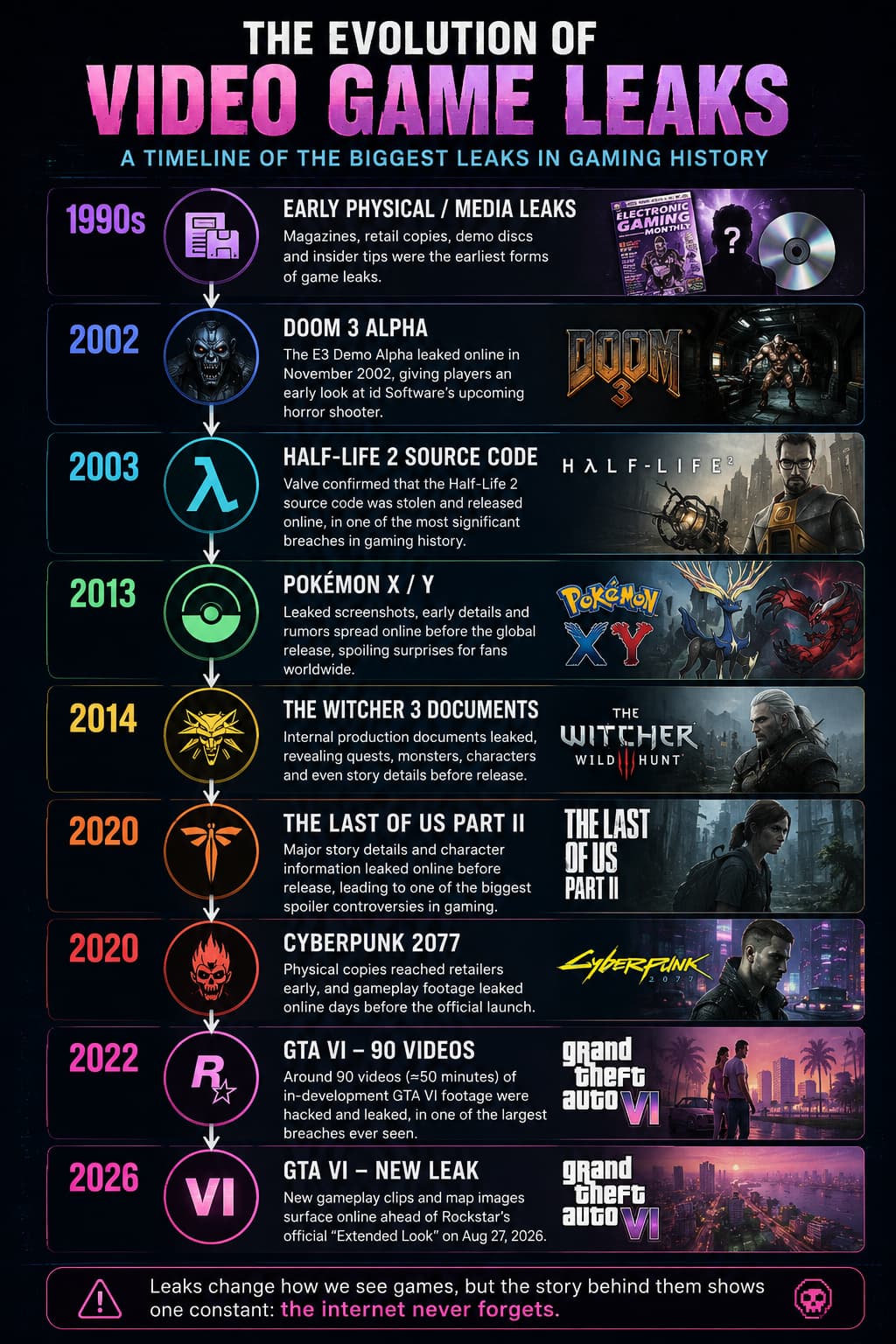
Looking at the history as a whole, we can divide game leaks into five broad eras.
1. The Physical Era
1990s–early 2000s
Leaks often involved:
cartridges
discs
magazines
demo builds
retail copies
Distribution was relatively slow.
2. The Development-Build Era
Early 2000s
The internet made it possible to distribute playable development versions.
Doom 3 became an important example.
Half-Life 2 pushed the problem much further by exposing source code.
3. The Forum Era
Mid-2000s–2010s
Gaming forums became the central meeting place for leaks.
A single screenshot could trigger hundreds of pages of discussion.
Fans became amateur investigators.
4. The Datamining Era
2010s–present
Developers increasingly put games and updates online.
That created a new source of information.
Players could examine:
game files
unused assets
strings
character models
maps
audio
configuration files
Sometimes the developer hadn't publicly announced something because the information wasn't supposed to be visible yet.
But the files were already there.
5. The Cyber-Breach and Social-Media Era
2020s
Now we have the combination of:
cybersecurity breaches + cloud infrastructure + social media + instant redistribution.
GTA VI is perhaps the clearest example.
A leak doesn't need to remain online to become globally influential.
It only needs to exist long enough for people to copy it.
Why Are Video Games So Difficult to Keep Secret?
Modern AAA games are enormous projects.
A major game may involve thousands of employees and external partners.
Information can pass through:
developers
publishers
contractors
localization teams
QA testers
marketing agencies
platform holders
retailers
certification teams
cloud services
Every additional connection creates another possible point of failure.
And modern game development creates another problem:
the game exists long before it is finished.
For years, a developer may have playable builds that look nothing like the final product.
There might be unfinished animation.
Temporary graphics.
Debug menus.
Placeholder dialogue.
Experimental mechanics.
Developers need those builds to create the final game.
But if one escapes, the public sees the game's construction process rather than the finished product.
That can create a strange situation.
Fans begin judging a game that was never intended to be seen.
Do Game Leaks Actually Hurt Sales?
Not always.
This is one of the most interesting questions.
Some leaks generate enormous attention.
A leak can create:
social-media discussion
search traffic
fan theories
free publicity
renewed interest in the game
But that does not mean developers want them.
The developer loses control over:
timing
context
presentation
spoilers
unfinished material
marketing strategy
Imagine spending millions of dollars preparing a trailer for Thursday.
Then someone posts the same information on Monday.
The problem isn't only that people saw it.
The problem is that you didn't choose how they saw it.
The Real Damage: Losing Control of the Story
That may be the most important lesson from the history of game leaks.
Publishers don't simply sell games.
They sell anticipation.
A modern AAA game can spend years building mystery around:
Who is the protagonist?
Where is the game set?
What does the world look like?
What new mechanics exist?
When will the trailer arrive?
What will happen in the story?
Every official reveal answers one of those questions.
A leak answers them without permission.
That's why a leak can be so damaging even if it doesn't affect the final game.
It attacks the information strategy surrounding the game.
What GTA VI Teaches Us About the Future
The latest GTA VI incident may eventually be remembered as another chapter in this history.
But there is a bigger lesson.
Game leaks are no longer just about somebody getting hold of a file.
They are about information ecosystems.
A single piece of stolen material can become:
→ a forum post
→ a social-media post
→ a YouTube video
→ a news article
→ a reaction video
→ a theory
→ a meme
→ a search trend
→ millions of views
The original leaker may disappear.
The information doesn't.
And that is why the modern gaming industry faces a problem that technology alone cannot completely solve.
The Biggest Game Leaks Were Never Really About Files
Doom 3 showed us that unfinished games could escape.
Half-Life 2 showed us that even source code wasn't necessarily safe.
The Witcher 3 showed how internal documents could expose an entire development process.
The Last of Us Part II demonstrated that a few pieces of information could fundamentally change a narrative experience.
Cyberpunk 2077 showed how physical distribution could create another vulnerability.
GTA VI showed how a massive development breach could become a worldwide event.
And now, in 2026, the latest GTA VI leak shows something new:
a leak can become its own media ecosystem.
That is the real history of video-game leaks.
The technology changed.
The internet changed.
The games became bigger.
The leaks became faster.
But the fundamental conflict remained the same:
Developers want to decide when the world sees their game.
The internet has never been particularly good at waiting.
Frequently Asked Questions
What is the biggest video game leak in history?
There is no universally accepted ranking because leaks can be measured by different criteria. The 2022 GTA VI breach is among the most significant because approximately 90 videos of in-development footage were released publicly, while the Half-Life 2 source-code theft was particularly serious from a development-security perspective.
What happened in the GTA VI leak?
In August 2026, multiple pieces of purported GTA VI gameplay and map material appeared online ahead of Rockstar's scheduled August 27 Extended Look. The material has been associated with a group calling itself CyberLeek. Rockstar has not publicly authenticated every element, although reported copyright takedowns have affected some leaked clips.
Was GTA VI leaked before?
Yes. In September 2022, around 90 videos containing approximately 50 minutes of in-development GTA VI footage were posted online following a major security breach at Rockstar.
Was Half-Life 2 source code really leaked?
Yes. Valve founder Gabe Newell confirmed in 2003 that genuine Half-Life 2 source code had been stolen and released online.
Why are game leaks so difficult to stop?
Modern games involve large teams, external partners, cloud systems, retailers, testers and digital distribution. Once leaked material is copied and redistributed across the internet, removing the original upload does not necessarily remove all copies.
Final Thought
The next time a highly anticipated game leaks, it may be tempting to think:
"Here we go again."
But every major leak tells us something about the technology and culture of its time.
Doom 3 belonged to the early file-sharing internet.
Half-Life 2 belonged to the beginning of serious online development security.
Pokémon belonged to the rise of global fan communities.
The Witcher 3 showed the danger of internal cloud documents.
The Last of Us Part II demonstrated the power of narrative spoilers.
And GTA VI has now appeared at the center of two very different generations of game leaks.
The history isn't finished.
Because as long as games take years to make, fans desperately want to see them, and the internet exists to share information instantly, someone will always be tempted to reveal the next secret before the developer is ready.
The only question is what leaks next.