
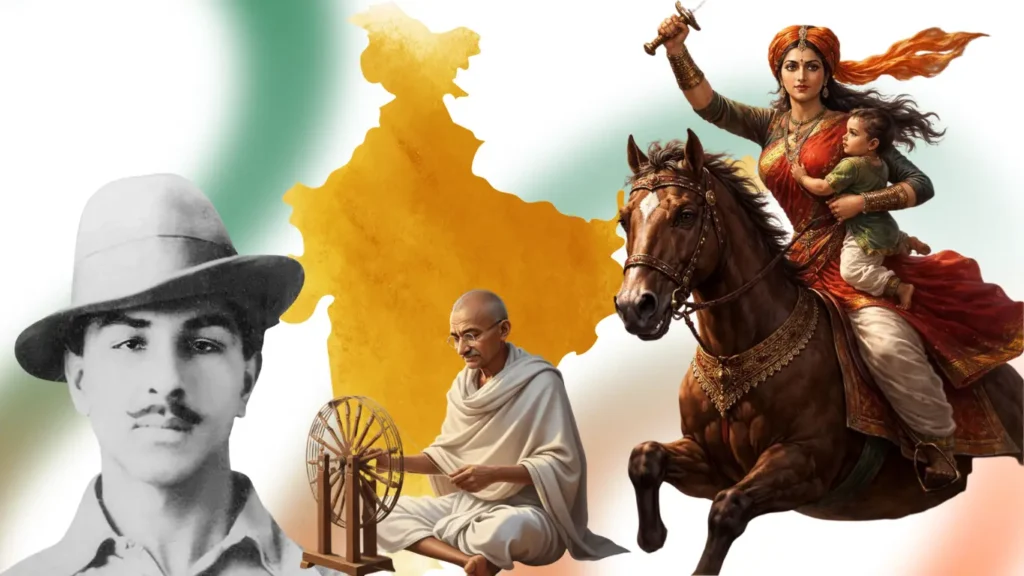
Freedom fighters of India were leaders, revolutionaries, reformers, and social activists who struggled against British colonial rule from the 18th century to 1947. Through non-violent movements, armed resistance, political campaigns, and mass mobilization, they laid the foundation for India’s independence and democratic system.
Their efforts united millions of people and shaped modern India.
Early Freedom Fighters (Before 1857)
Before organised national movements began, several leaders resisted British expansion and worked for social and political reform.
Key Early Leaders
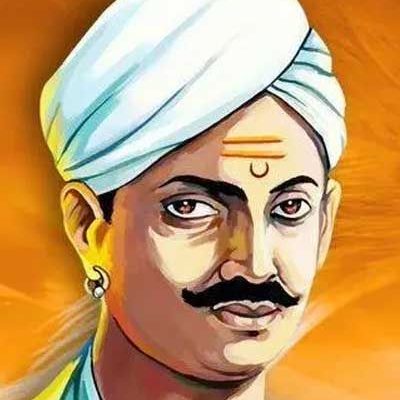
Mangal Pandey
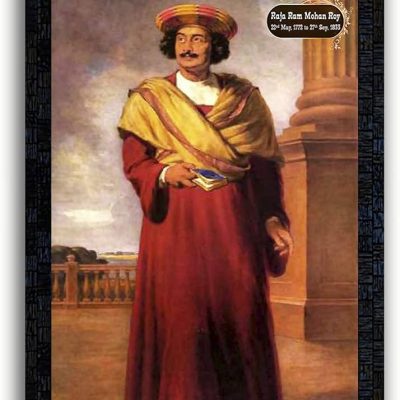
One of the first soldiers to openly rebel against British rule in 1857.Raja Ram Mohan Roy
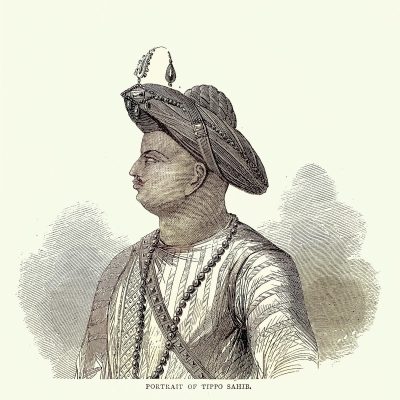
Promoted education, women’s rights, and social reform, preparing society for political awakening.Tipu Sultan
Actively resisted British forces in South India during the late 18th century.Veer Kunwar Singh
Led major resistance in Bihar during the 1857 uprising.Begum Hazrat Mahal
Played a major role in the revolt in Lucknow.
Historical Significance
These early fighters laid the groundwork for organized resistance by challenging British authority and promoting national consciousness.
Leaders of the 1857 Revolt (First War of Independence)
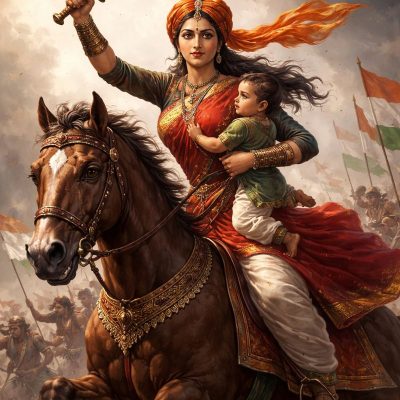
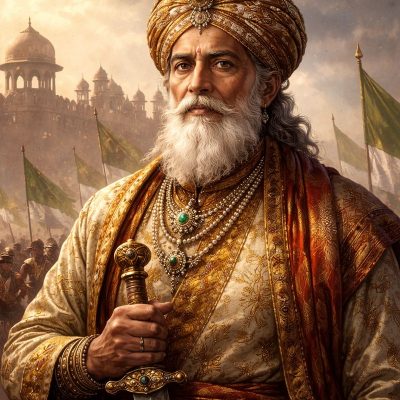
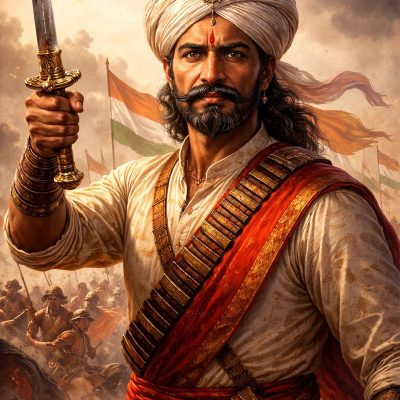
The Revolt of 1857 was the first large-scale uprising against British rule in India.
Prominent Leaders
Rani Lakshmibai
Symbol of courage and resistance against British forces.Bahadur Shah Zafar
Became the symbolic leader of the revolt.Tatya Tope
Organized military campaigns against British troops.Kunwar Singh
Led successful battles in eastern India.
Impact of 1857 Revolt
Although unsuccessful, the revolt united Indians across regions and is considered the foundation of modern nationalism.
Gandhian Era Freedom Fighters (1915–1947)
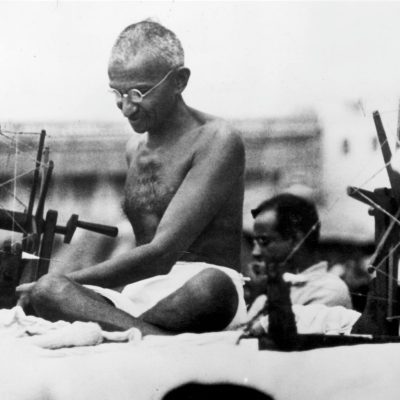
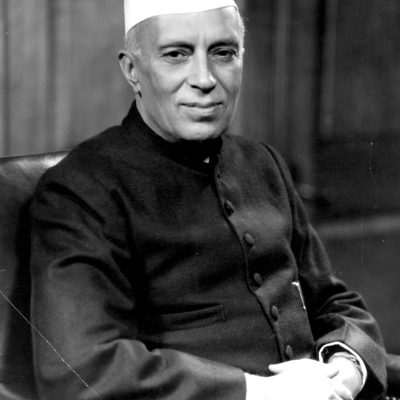
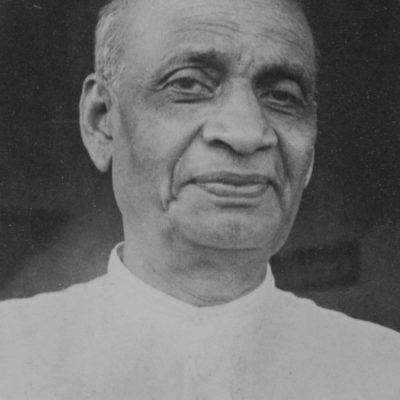
This period marked mass participation under non-violent leadership.
Major Leaders
Mahatma Gandhi
Led non-violent movements like Non-Cooperation, Civil Disobedience, and Quit India.Jawaharlal Nehru
Prominent nationalist leader and advocate of democratic ideals.Sardar Vallabhbhai Patel
Known as the “Iron Man of India,” unified princely states.Subhas Chandra Bose
Formed the Indian National Army to fight British rule.
Major Movements
Non-Cooperation Movement (1920)
Civil Disobedience Movement (1930)
Quit India Movement (1942)
These campaigns mobilized millions of Indians.
Revolutionary Freedom Fighters
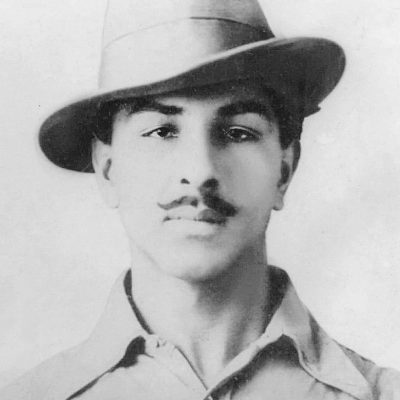
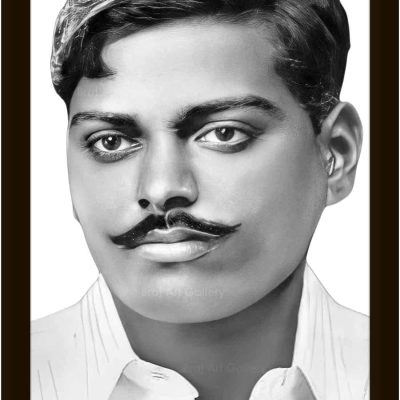
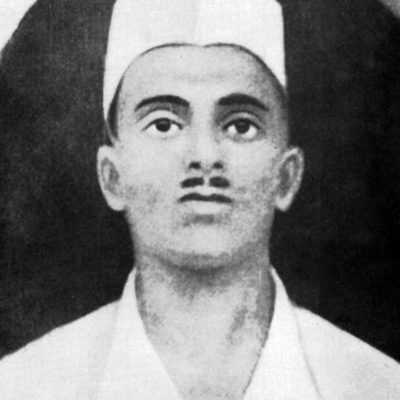
Revolutionaries believed in armed struggle to overthrow British rule.
Leading Revolutionaries
Bhagat Singh
Symbol of youth resistance and sacrifice.Chandrasekhar Azad
Leader of revolutionary groups in North India.Sukhdev Thapar
Active member of HSRA.Shivaram Rajguru
Participated in major revolutionary actions.
Contribution
Their actions inspired patriotism and pressured the British government politically and morally.
Women Freedom Fighters of India
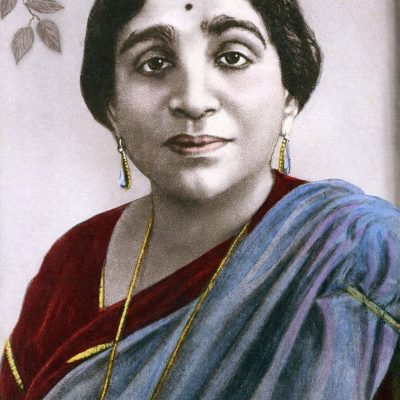
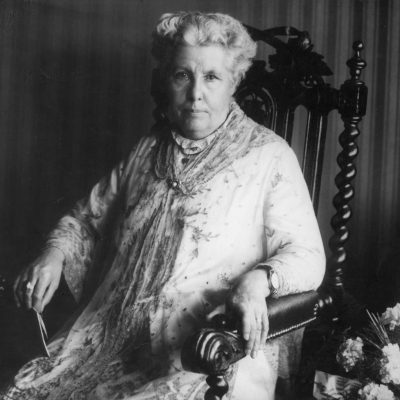
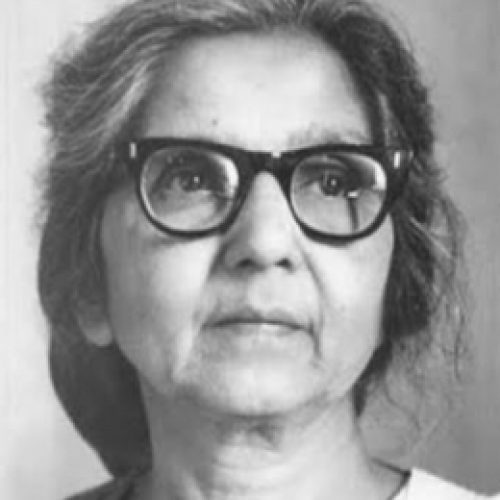
Women played a vital role in India’s freedom movement.
Notable Women Leaders
Sarojini Naidu
Leader, poet, and first woman Governor.Annie Besant
Supported self-rule and education.Aruna Asaf Ali
Hoisted the national flag during Quit India Movement.Kasturba Gandhi
Worked actively in social and political movements.Vijaya Lakshmi Pandit
Represented India internationally.
Importance of Women’s Participation
Their involvement proved that the freedom struggle was truly national and inclusive.
Timeline of India’s Freedom Struggle (Quick View)
| Period | Major Events |
|---|---|
| 1757–1856 | Early resistance |
| 1857 | First War of Independence |
| 1885 | Formation of INC |
| 1915–1947 | Gandhian era |
| 1947 | Independence |
Why Freedom Fighters Matter Today
Freedom fighters shaped:
India’s democracy
Fundamental rights
National unity
Social justice values
Their legacy continues through constitutional governance and civic responsibility.
Frequently Asked Questions (FAQs)
1. Who are considered freedom fighters of India?
Freedom fighters of India were individuals who actively participated in movements, protests, and struggles against British colonial rule to achieve independence, using peaceful, political, or revolutionary methods.
2. Who are the top 10 freedom fighters of India?
Some of the most well-known freedom fighters include Mahatma Gandhi, Subhas Chandra Bose, Bhagat Singh, Jawaharlal Nehru, Sardar Vallabhbhai Patel, Rani Lakshmibai, Bal Gangadhar Tilak, Lala Lajpat Rai, Chandrashekhar Azad, and Sarojini Naidu.
3. Who is called the real hero of India’s freedom struggle?
Mahatma Gandhi is often regarded as the central figure of India’s freedom movement due to his leadership in non-violent mass movements.
4. Who was the youngest freedom fighter of India?
Bhagat Singh is remembered as one of the youngest revolutionary freedom fighters who sacrificed his life at the age of 23.
5. What makes someone a freedom fighter?
A person is considered a freedom fighter if they actively worked, sacrificed, or struggled for India’s independence through political, social, or revolutionary activities.
6. Who was the greatest freedom fighter of India?
Many historians consider Mahatma Gandhi the greatest freedom fighter due to his role in uniting the nation and leading major movements.
7. Did women participate in India’s freedom movement?
Yes, women such as Sarojini Naidu, Aruna Asaf Ali, Kasturba Gandhi, and Rani Lakshmibai played major leadership roles in the struggle.
8. Why are freedom fighters important in modern India?
Freedom fighters shaped India’s democracy, constitutional values, and national unity, which continue to guide the country today.
9. Who were the leaders of the 1857 Revolt?
Major leaders included Rani Lakshmibai, Bahadur Shah Zafar, Tatya Tope, Kunwar Singh, and Begum Hazrat Mahal.
10. When did India gain independence?
India became independent on 15 August 1947 after decades of struggle led by freedom fighters.
Conclusion
The freedom fighters of India represented diverse ideologies, methods, and backgrounds, yet they shared a common goal—national independence. From early resistance to mass movements and revolutionary actions, their combined efforts ended colonial rule.
Their sacrifices remain the foundation of India’s political freedom and social progress.